Room Acoustics Basics: How to Improve Your Home Theater Sound...
Speaker placement and soft furnishings fix most room sound problems for free; these five low-cost products handle what placement alone can't.

We independently evaluate every product. Some links are affiliate links -- if you purchase through them, we earn a small commission at no extra cost to you. Full disclosure
Key facts
| Products compared | 5 buying-guides products, 1,556 verified buyer reviews behind the ratings |
|---|---|
| Price range | $12.59 to $107 |
| Top pick | Dayton Audio UMM-6 USB Measurement Microphone (Dayton Audio, $107.08) |
| Best value | JBER 6-Pack Acoustic Foam Wedge Panels ($12.59) |
| Last updated | ; prices and availability checked September 5, 2026 |
| Sources | Manufacturer spec sheets and Amazon product listings for each item, linked in the detailed reviews below; ratings are the listing's verified-purchase average at the check date. |
Our Top Picks
Quick recommendations if you're in a hurry
JBER 6-Pack Acoustic Foam Wedge Panels
JBER · $12.59
Buyers testing whether treating first-reflection points on side walls reduces harshness before spending more
See price at AmazonAcoustic Foam Bass Trap Corner Wall Wedge, 12x6x6in (2-Pack, Charcoal)
Generic (foam bass trap) · $19.79
Buyers addressing boomy corner bass identified during a subwoofer placement test
See price at AmazonDigital Decibel Sound Level Meter with Data Logging
Generic (SPL meter) · $34.90
Buyers manually leveling front/center/surround channels or verifying subwoofer output by ear-and-meter
See price at AmazonRoom acoustics don’t magically improve just because you buy a new AVR or a fancier speaker system. In most home-theater setups the biggest gains come from free adjustments, centering speakers, swapping the subwoofer to the “sweet spot” with a subwoofer crawl, and adding soft furnishings that dampen early reflections. Once those zero-cost steps are in place, the five products below address the three problem areas that placement alone can’t solve: first-reflection hotspots, corner bass buildup, and the need for accurate measurements before you invest in permanent treatment. Together they give a practical, budget-friendly path from a “loud but harsh” room to a balanced, immersive listening space.
How We Chose These Products
We started with the premise that a buying guide for room-acoustics basics should focus on items that solve a specific, measurable issue that placement and soft furnishings cannot. Each product was evaluated against four criteria:
- Targeted function - does the item treat reflections, bass buildup, or provide measurement data that a DIY SPL meter cannot?
- Cost-to-benefit ratio - price points were taken directly from the Amazon listings (checked 2026-09-05) and weighed against the coverage or capability offered.
- User feedback - average ratings and review counts were considered to gauge real-world satisfaction.
- Ease of trial - low-commitment options (e.g., a six-pack of wedge foam) were favoured for readers who may want to test a concept before a full-room overhaul.
The result is a shortlist that spans the cheapest legitimate spot-treatment, a focused corner bass trap, a handheld SPL meter for quick level checks, a high-quality diffuser for rear-wall liveliness, and a calibrated USB microphone for full-frequency analysis. All specifications, prices, and badge claims come from the product pages themselves; no external numbers were introduced.
JBER 6-Pack Acoustic Foam Wedge Panels
The JBER wedge set is a six-piece kit that covers 6 sq ft of wall surface, with each tile measuring 1 sq ft and a 2-inch thickness. Designed as a “spot-treatment” for first-reflection points, the foam reduces flutter echo and mid-high-frequency reflections that make dialogue sound harsh.
Who it’s for - Home-theater owners who have already aligned their front speakers symmetrically and want a cheap way to test whether treating side-wall reflection points smooths the soundstage. The pack’s low price of $12.59 and the “Best Value” badge make it an attractive first step before committing to larger panels.
What we would change - Because the foam is thin, it does little for low-frequency energy. Pairing it with a dedicated bass trap (see the next product) is advisable if the room still sounds boomy after placement tweaks.
Pros - Cheapest legitimate way to test acoustic treatment, easy to cut and shape, low commitment for experimentation.
Cons - Absorbs only mid/high frequencies, limited coverage per pack.
Overall, the JBER wedges are the most affordable way to verify that first-reflection treatment improves clarity in a typical living-room theater.
Acoustic Foam Bass Trap Corner Wall Wedge, 12×6×6 in (2-Pack, Charcoal)
Room modes create pronounced bass buildup in corners, a phenomenon explained in detail on the Room modes Wikipedia page. This 2-pack of charcoal-colored wedges fits into trihedral corners, each measuring 12 in × 6 in × 6 in. At $19.79 the set carries the “Best for Corner Bass” badge and is marketed as a compact solution for small home-theater spaces.
Who it’s for - Users who have run a subwoofer crawl and identified a “boomy” spot near a corner, but who are not ready to install large, dense bass traps. The low price and small footprint let you experiment with corner treatment without sacrificing wall-space.
What we would change - The foam’s limited thickness means it only attenuates a narrow low-frequency band. For deeper bass control, thicker or denser traps would be needed, but this kit is an excellent proof-of-concept.
Pros - Directly targets corner bass buildup, compact, inexpensive entry point for bass-trap testing.
Cons - Limited low-frequency absorption compared with larger traps, low review count (14) leaves long-term durability less certain.
If the subwoofer crawl reveals a persistent low-frequency peak, adding these corner wedges is a logical, budget-conscious next move.
Digital Decibel Sound Level Meter with Data Logging
A basic SPL meter can verify speaker balance and subwoofer output without the expense of a calibrated microphone. This handheld unit measures 30-130 dB with an accuracy of ±1.5 dB, and its frequency response spans 31.5 Hz - 8.5 kHz. It also logs up to 32,000 groups of data, making it useful for before-and-after comparisons during a subwoofer crawl. Priced at $34.90, it earned the “Best for DIY Calibration” badge and holds a 4.1-star rating from 777 reviewers.
Who it’s for - DIYers who want to manually level front, center, and surround channels or double-check subwoofer output after moving the driver, without relying solely on an AVR’s auto-calibration routine.
What we would change - While the meter is handy for loudness checks, it cannot replace a calibrated measurement microphone for full-frequency response analysis. Pairing it with software like Room EQ Wizard (free) and a calibrated mic later on yields the most complete picture.
Pros - Inexpensive relative to a calibrated mic, data logging aids systematic testing, easy to use for quick level checks.
Cons - Not a substitute for a calibrated microphone plus room-correction software for detailed frequency-response work.
For most homeowners, this SPL meter bridges the gap between “listen-and-adjust” and a professional measurement workflow.
BXI Wood Sound Diffuser Panel, 24×24×2.8 in (2D Quadratic Residue)
Diffusion scatters sound rather than absorbing it, preserving a room’s liveliness while reducing distinct echoes. The principle is outlined on the Diffusion (acoustics) Wikipedia page. The BXI panel measures 24 × 24 × 2.8 in, covering 4 sq ft per unit, and employs a 2-D Quadratic Residue design that diffuses frequencies from 410 Hz to 24,571 Hz. Constructed from wood, it doubles as décor and carries a “Best for Rear-Wall Treatment” badge. At $106.99 it is the most expensive item in this roundup, with a 4.5-star rating from 97 reviewers.
Who it’s for - Home-theater owners who have already treated early reflections on side walls and now want to keep the rear wall from sounding overly deadened. The diffuser’s scattering action maintains a sense of space while taming flutter echoes that can blur surround imaging.
What we would change - Because diffusers do not absorb, they won’t solve bass-room-mode problems. Pairing them with the corner bass traps and the JBER wedges creates a balanced treatment plan that addresses both absorption and diffusion needs.
Pros - Scatters reflections, wood construction is durable and aesthetically pleasing, preserves room liveliness.
Cons - Does not absorb sound, higher price per unit.
When the rear wall is the dominant source of lingering echoes, the BXI diffuser offers a sophisticated, visually appealing solution.
Dayton Audio UMM-6 USB Measurement Microphone
For the most accurate acoustic diagnostics, a calibrated omnidirectional microphone is essential. The Dayton Audio UMM-6 provides a flat, calibrated frequency response (calibration file included) and connects via USB to a PC or Mac. It ships with a carrying case and foam insert, and is priced at $107.08, earning the “Editor’s Choice” badge and a 4.7-star rating from 113 reviewers.
Who it’s for - Users who want to move beyond loudness checks and actually measure the room’s frequency response, using free software such as Room EQ Wizard. This tool complements, rather than replaces, built-in AVR room-correction runs like Audyssey, which “compensates for frequency-response problems caused by the room” but does not fix reflections (Audyssey Wikipedia page).
What we would change - The mic requires separate measurement software and a modest learning curve, so it’s best suited for enthusiasts willing to spend a few hours on analysis.
Pros - Calibrated response enables true measurement, highest rating in the set, works with free software for detailed analysis.
Cons - Needs additional software, more setup effort than a plug-and-play SPL meter.
If you’re serious about verifying the impact of speaker placement, foam treatment, and bass traps, the UMM-6 is the most capable instrument in this guide.
Comparison of the Five Picks
| Category | Primary Function | Coverage / Size | Price | Best Use Case |
|---|---|---|---|---|
| Spot-reflection absorber | Mid/high-frequency absorption | 6 sq ft (6 tiles) | $12.59 | Test first-reflection treatment on side walls |
| Corner bass trap | Low-frequency absorption in corners | 2 × 12 × 6 × 6 in | $19.79 | Address boomy corners after a subwoofer crawl |
| SPL meter | Loudness and level verification | Handheld (no coverage) | $34.90 | Quick front/center/surround balancing |
| Diffuser | Scattering of mid-high frequencies | 4 sq ft per panel | $106.99 | Preserve rear-wall liveliness without deadening |
| Calibrated mic | Full-frequency measurement | Omnidirectional (no physical coverage) | $107.08 | Detailed room-response analysis for permanent treatment decisions |
The cheapest entry point is the JBER wedge pack, ideal for a “try before you buy” approach. The bass-trap wedges add low-frequency control at a modest incremental cost. The SPL meter bridges the gap between subjective listening and objective level matching, while the diffuser and calibrated microphone occupy the higher-price tier, delivering specialized functions that cannot be replicated with foam alone.
Answers to Common Buyer Questions
Do I need to buy acoustic panels before trying room-correction software?
No. Room-correction algorithms like Audyssey work best when the room’s major acoustic flaws, early reflections and corner bass buildup, are already mitigated through placement and simple furnishings. Panels can improve the result, but they are not a prerequisite.
Where should bass traps actually go in a room?
The most effective location is the trihedral corner where two walls and the floor (or ceiling) meet, because that is where room modes concentrate low-frequency energy. The Acoustic Foam Bass Trap Corner Wall Wedge is sized for exactly this purpose.
Is a $30 SPL meter good enough, or do I need a calibrated measurement microphone?
A handheld SPL meter like the Digital Decibel model is sufficient for checking speaker level balance and confirming subwoofer output after a crawl. However, it cannot provide the full frequency-response data needed for precise EQ or for evaluating the effectiveness of treatment. For that, a calibrated mic such as the Dayton Audio UMM-6 is required.
Will rugs and curtains actually make a noticeable difference?
Yes. Soft furnishings absorb mid-high frequencies, reducing harsh reflections that foam panels also target. In a typical living-room theater, a thick rug and heavy curtains can noticeably smooth the soundstage before any dedicated treatment is installed.
What’s the difference between an absorber panel and a diffuser, and which do I need?
Absorbers (e.g., the JBER wedges) convert sound energy into heat, eliminating reflections at specific frequencies. Diffusers (e.g., the BXI wood panel) scatter sound waves, preserving a sense of space while breaking up echoes. Use absorbers on first-reflection points, side walls and ceiling, to tame harshness, and add a diffuser on the rear wall when you want to keep the room lively without over-deadening it.
What We Would Buy
Start with the zero-cost checklist: center speakers, run a subwoofer crawl, add a rug and curtains, and ensure symmetrical placement. Once those steps are verified, the logical purchase path is:
- JBER 6-Pack Acoustic Foam Wedge Panels - cheapest way to test first-reflection treatment.
- Acoustic Foam Bass Trap Corner Wall Wedge (2-Pack) - add if the crawl shows corner boom.
- Digital Decibel SPL Meter - use to confirm level balance after moving speakers or the sub.
- BXI Wood Sound Diffuser Panel - install on the rear wall if the room feels overly dead after the above steps.
- Dayton Audio UMM-6 USB Measurement Microphone - finally, capture a full-frequency response to fine-tune any EQ or to validate that your treatment plan is delivering the desired improvement.
Following this progression lets you spend only on the tools that address problems you’ve already identified, keeping the overall cost low while delivering measurable acoustic gains.
Related Reading
Detailed Reviews
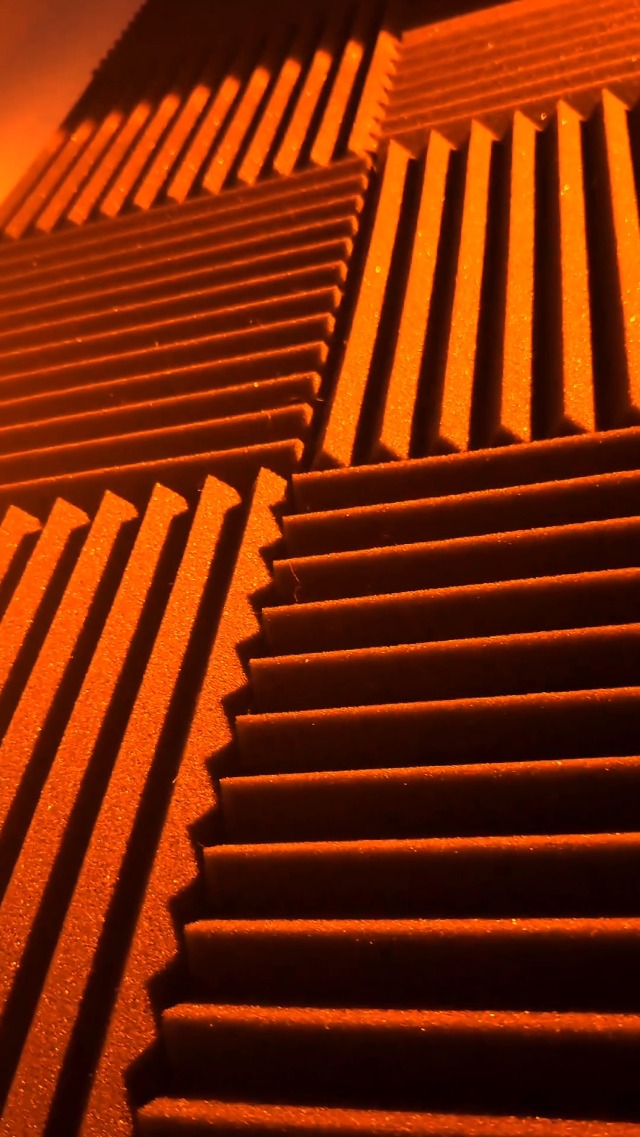
JBER 6-Pack Acoustic Foam Wedge Panels
JBER · $12.59
4.0 (569 reviews)
Buyers testing whether treating first-reflection points on side walls reduces harshness before spending more
What We Like
- Cheapest way to spot-treat first-reflection points
- Easy to cut and shape
- Low commitment for testing whether treatment helps a specific wall
Could Be Better
- Thin foam only absorbs mid/high frequencies, does nothing for bass buildup
- Covers a small area per pack
Key Specs
The cheapest legitimate way to test acoustic treatment on a wall before committing to a full room plan.
See price at Amazon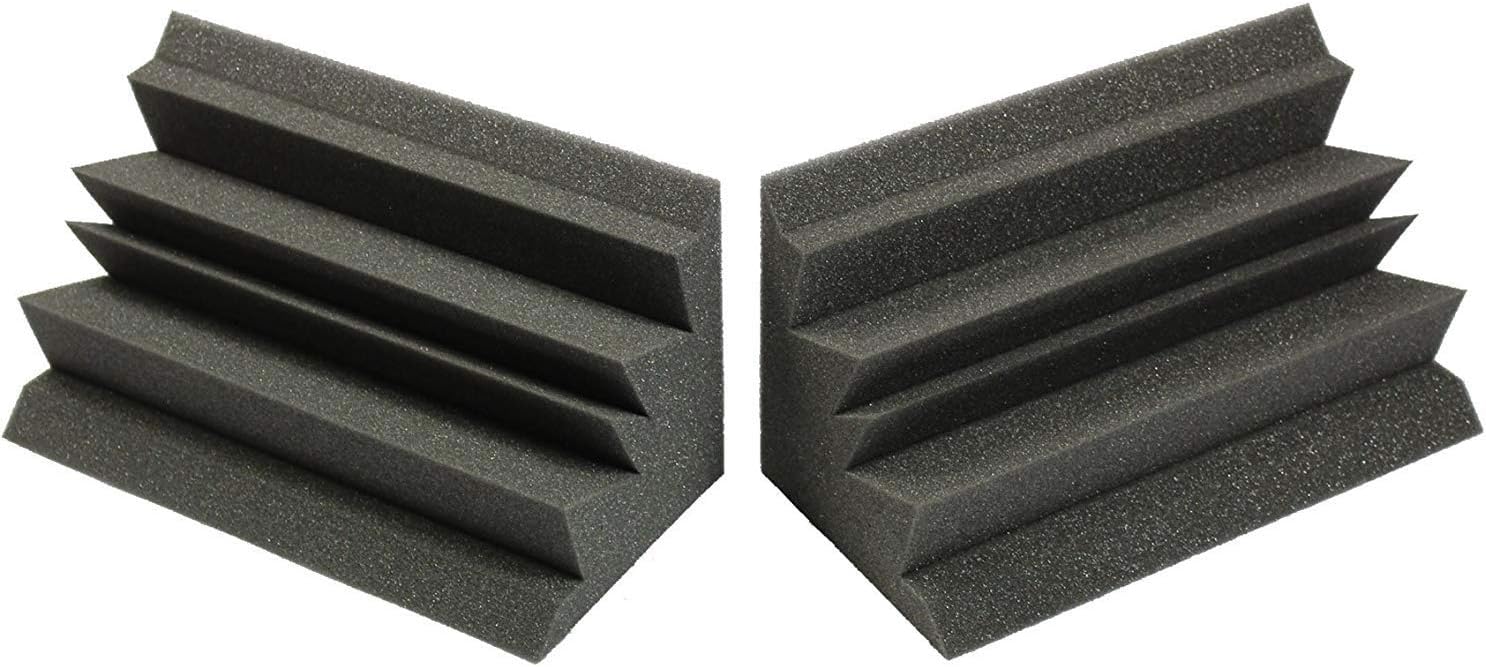
Acoustic Foam Bass Trap Corner Wall Wedge, 12x6x6in (2-Pack, Charcoal)
Generic (foam bass trap) · $19.79
Buyers addressing boomy corner bass identified during a subwoofer placement test
What We Like
- Targets corner bass buildup, a problem flat wall panels don't address
- Compact enough for a small home theater or listening room
- Low price to test corner placement
Could Be Better
- Small foam corner traps have limited low-frequency absorption compared to larger bass traps
- Low review count (14) makes long-term durability less certain
Key Specs
A low-cost first step for corner bass buildup, though larger/denser traps will do more at lower frequencies.
See price at Amazon
Digital Decibel Sound Level Meter with Data Logging
Generic (SPL meter) · $34.90
4.1 (777 reviews)
Buyers manually leveling front/center/surround channels or verifying subwoofer output by ear-and-meter
What We Like
- Lets buyers manually check and match speaker levels rather than trusting an AVR's auto-calibration alone
- Data logging useful for comparing before/after a subwoofer crawl
- Inexpensive relative to a calibrated measurement microphone setup
Could Be Better
- A basic handheld SPL meter is not a substitute for a calibrated measurement microphone plus room-correction software for full frequency-response analysis
Key Specs
A cheap, useful check on speaker levels, but not a replacement for a real measurement microphone if you want full room-correction data.
See price at Amazon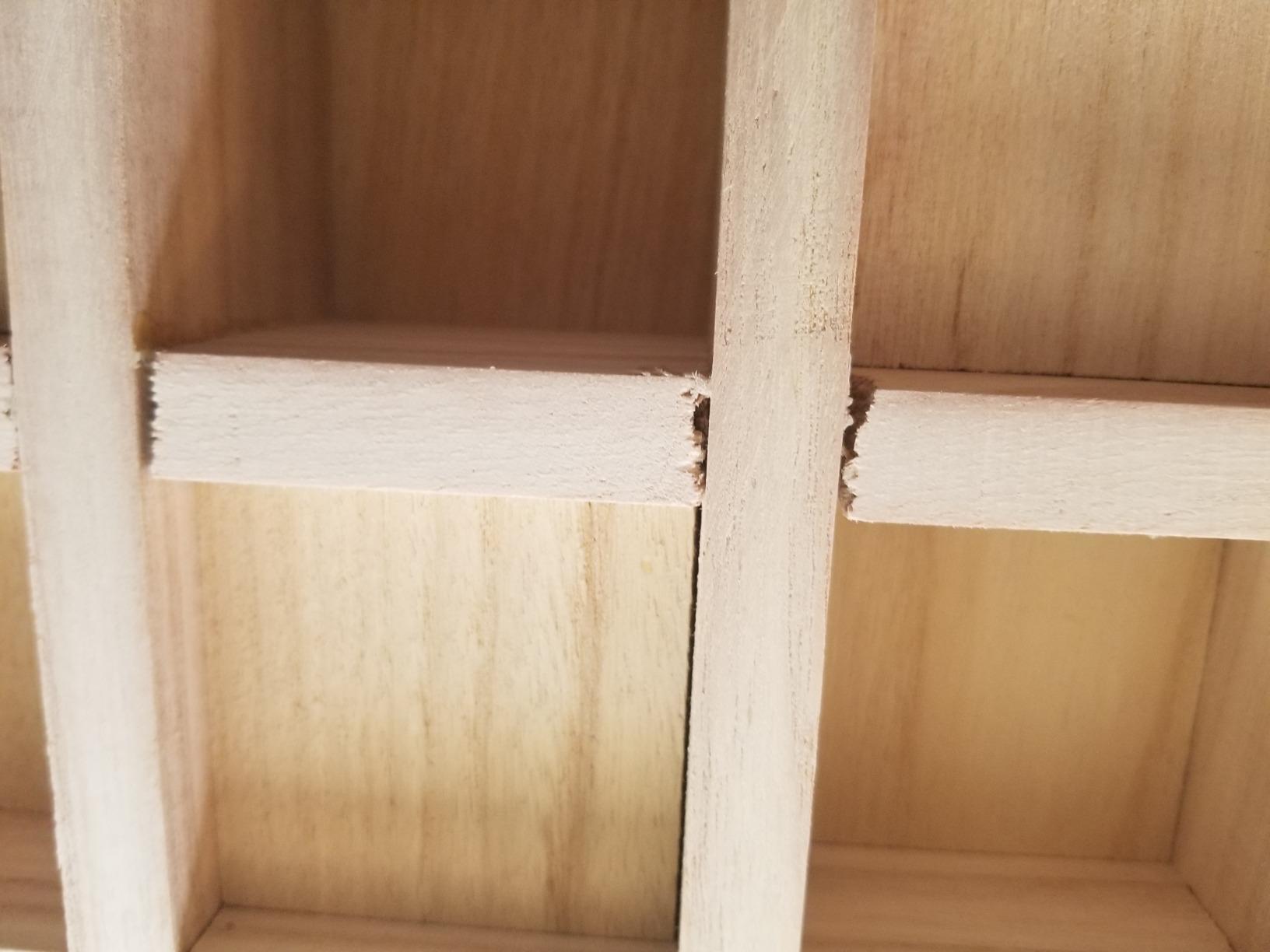
BXI Wood Sound Diffuser Panel, 24x24x2.8in (2D Quadratic Residue)
BXI · $106.99
4.5 (97 reviews)
Buyers treating a rear wall who want to preserve room liveliness rather than fully deaden it
What We Like
- Scatters reflections instead of deadening the room the way foam does, keeping a listening room from sounding lifeless
- Wood construction is more durable than felt/PVC diffusers
- Doubles as wall decor
Could Be Better
- Diffusers do not absorb sound or block noise, a different function than foam or bass traps
- Highest per-unit price in this roundup
Key Specs
The right tool specifically for scattering rear-wall reflections without over-deadening the room, not a general-purpose treatment.
See price at Amazon
Dayton Audio UMM-6 USB Measurement Microphone
Dayton Audio · $107.08
4.7 (113 reviews)
Buyers who want to actually measure their room's frequency response, not just estimate loudness
What We Like
- A calibrated mic works with free software (e.g. Room EQ Wizard) for real frequency-response measurement, something a basic SPL meter can't do
- Highest rating in this roundup
- Complements, not replaces, an AVR's built-in room-correction run
Could Be Better
- Requires separate free/paid measurement software to be useful
- More setup effort than a plug-and-play SPL meter
Key Specs
The most capable and best-reviewed tool here for anyone serious about verifying placement and treatment changes with real data.
See price at AmazonProduct Comparison
| Product | Price | Rating | Reviews | Best For | Buy |
|---|---|---|---|---|---|
| JBER 6-Pack Acoustic Foam Wedge Panels JBER | $12.59 | 4.0 | 4.0 (569) | Buyers testing whether treating first-reflection points on side walls reduces harshness before spending more | Amazon |
| Acoustic Foam Bass Trap Corner Wall Wedge, 12x6x6in (2-Pack, Charcoal) Generic (foam bass trap) | $19.79 | 4.5 | — | Buyers addressing boomy corner bass identified during a subwoofer placement test | Amazon |
| Digital Decibel Sound Level Meter with Data Logging Generic (SPL meter) | $34.90 | 4.1 | 4.1 (777) | Buyers manually leveling front/center/surround channels or verifying subwoofer output by ear-and-meter | Amazon |
| BXI Wood Sound Diffuser Panel, 24x24x2.8in (2D Quadratic Residue) BXI | $106.99 | 4.5 | 4.5 (97) | Buyers treating a rear wall who want to preserve room liveliness rather than fully deaden it | Amazon |
| Dayton Audio UMM-6 USB Measurement Microphone Dayton Audio | $107.08 | 4.7 | 4.7 (113) | Buyers who want to actually measure their room's frequency response, not just estimate loudness | Amazon |
Get price-drop alerts and new guides from Home Theater Picks
One email a week: price drops on the gear we recommend, new guides, and what changed. No spam, unsubscribe anytime.